

Walking a dog that constantly lunges forward can turn a relaxing stroll into a stressful tug-of-war. The key to reclaiming your walk lies in choosing the right dog harness for leash pulling, a decision that requires understanding canine biomechanics and equipment design. By selecting a tool that works with your dog’s natural movements rather than against them, you can improve communication and safety for both ends of the leash.
- Best for Heavy Pullers: 2 Hounds Freedom Harness with dual-point contact.
- Best for Small Breeds: Ruffwear Front Range Harness for a snug fit.
- Best for Escape Artists: Ruffwear Web Master with high coverage.
- Core Mechanism: Utilize a front clip dog harness to redirect forward momentum.
Choosing the right dog harness for leash pulling starts with understanding mechanics
Most pet owners struggle because traditional back-clip harnesses actually encourage pulling. This is due to the opposition reflex, the same instinct that allows sled dogs to pull heavy loads. When a dog feels pressure on their back, their natural response is to lean into that pressure and pull harder. Choosing the right dog harness for leash pulling means moving the point of attachment to the chest.
A front clip dog harness works by redirecting the dog's forward momentum. When the dog pulls, the tension on the chest strap gently steers their shoulders toward the handler. This physical redirection breaks the dog's focus on the target ahead and encourages them to check in with the person walking them. This simple change in leverage makes a no pull dog leash setup significantly more effective for training.
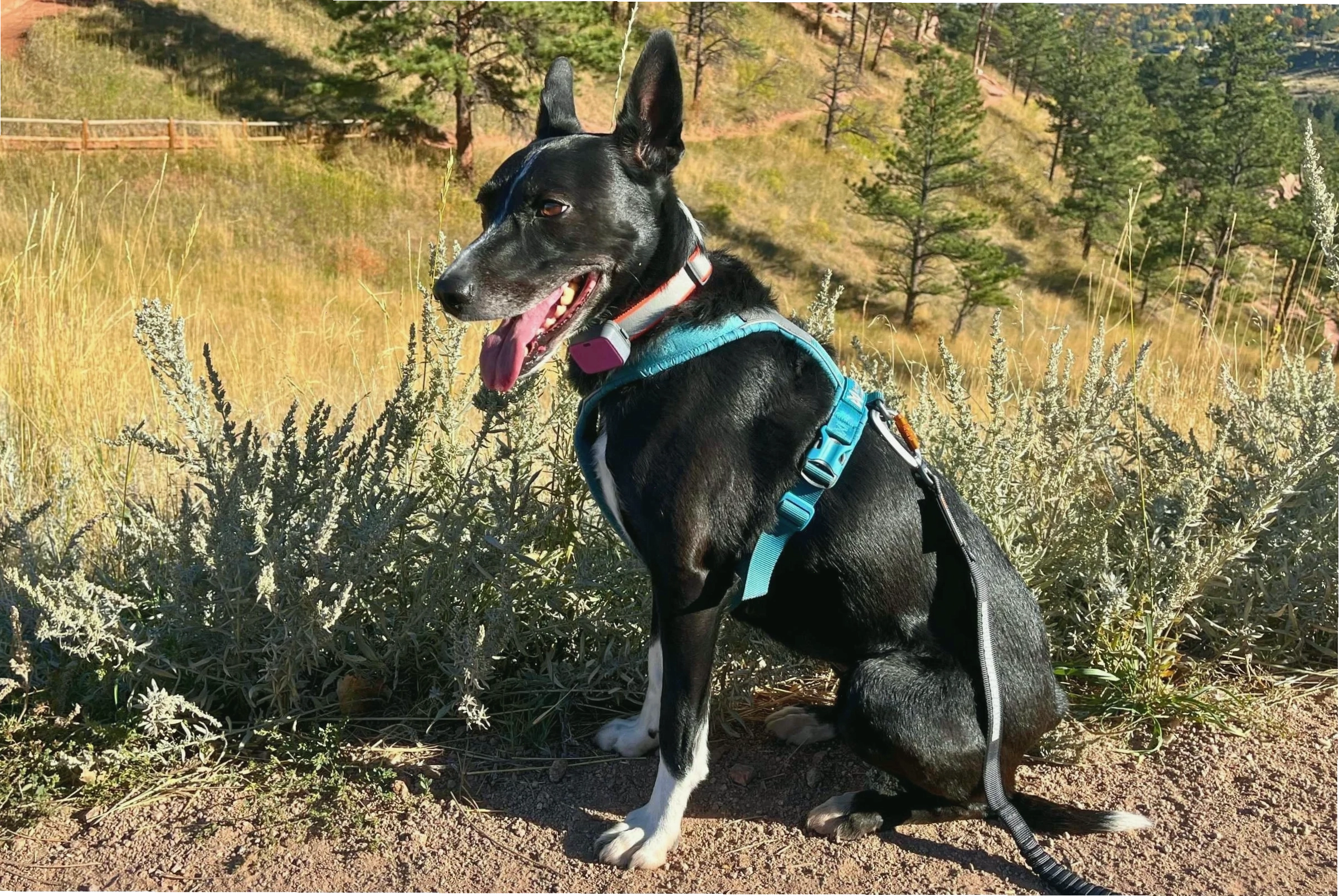
Expert analysis of top rated dog walking training aids for pullers
When evaluating dog walking training aids, the Freedom Harness stands out as a top recommendation from professional trainers. This specific model features more adjustment points than standard designs, allowing it to fit a wide variety of canine body types. It offers two clips for the leash, providing multiple points of contact. You can clip to the chest to stop pulling, the back for relaxed walks, or both for maximum control over a large dog.
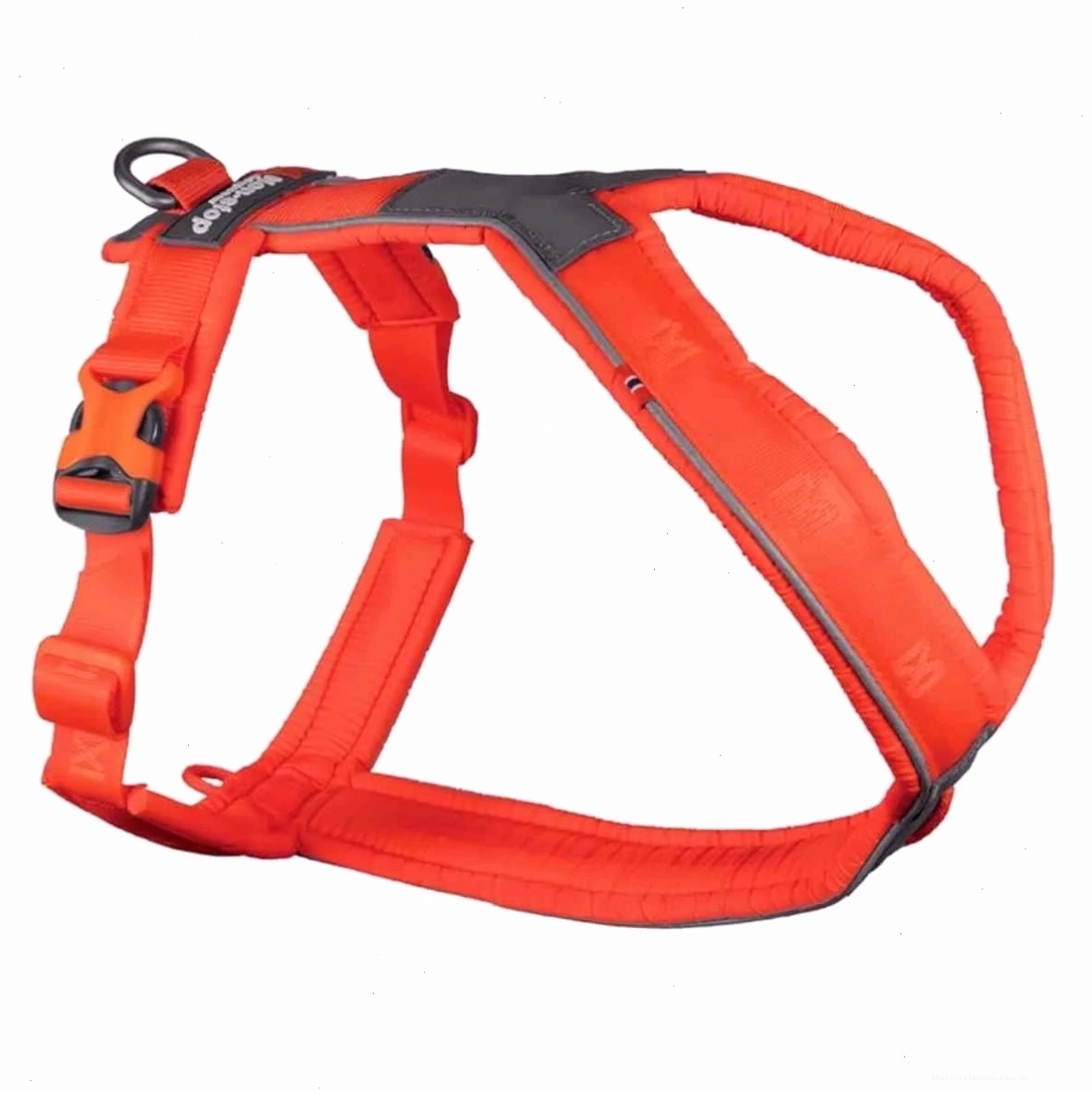
For those with long-bodied breeds, certain models like the Kurgo Journey Air may present fit challenges. Data suggests that if a harness is too short, it can dig into the armpits and cause chafing. In contrast, the Non-stop Dogwear Line Harness provides a more streamlined fit for active dogs, though it may lack the aggressive redirection found in specialized no-pull models. Identifying these nuances is vital when choosing the right dog harness for leash pulling for your specific breed.
| Harness Model | Primary Benefit | Best Suited For |
|---|---|---|
| 2 Hounds Freedom | Dual-point contact for total control | Aggressive pullers of most sizes |
| Ruffwear Front Range | High durability and comfort padding | Small dogs and daily walks |
| Kurgo Journey Air | Lightweight and breathable design | Athletic breeds with standard builds |
| Ruffwear Web Master | Multi-strap escape prevention | Harness houdinis and hiking |
Addressing the challenge of escape artists and safety setups
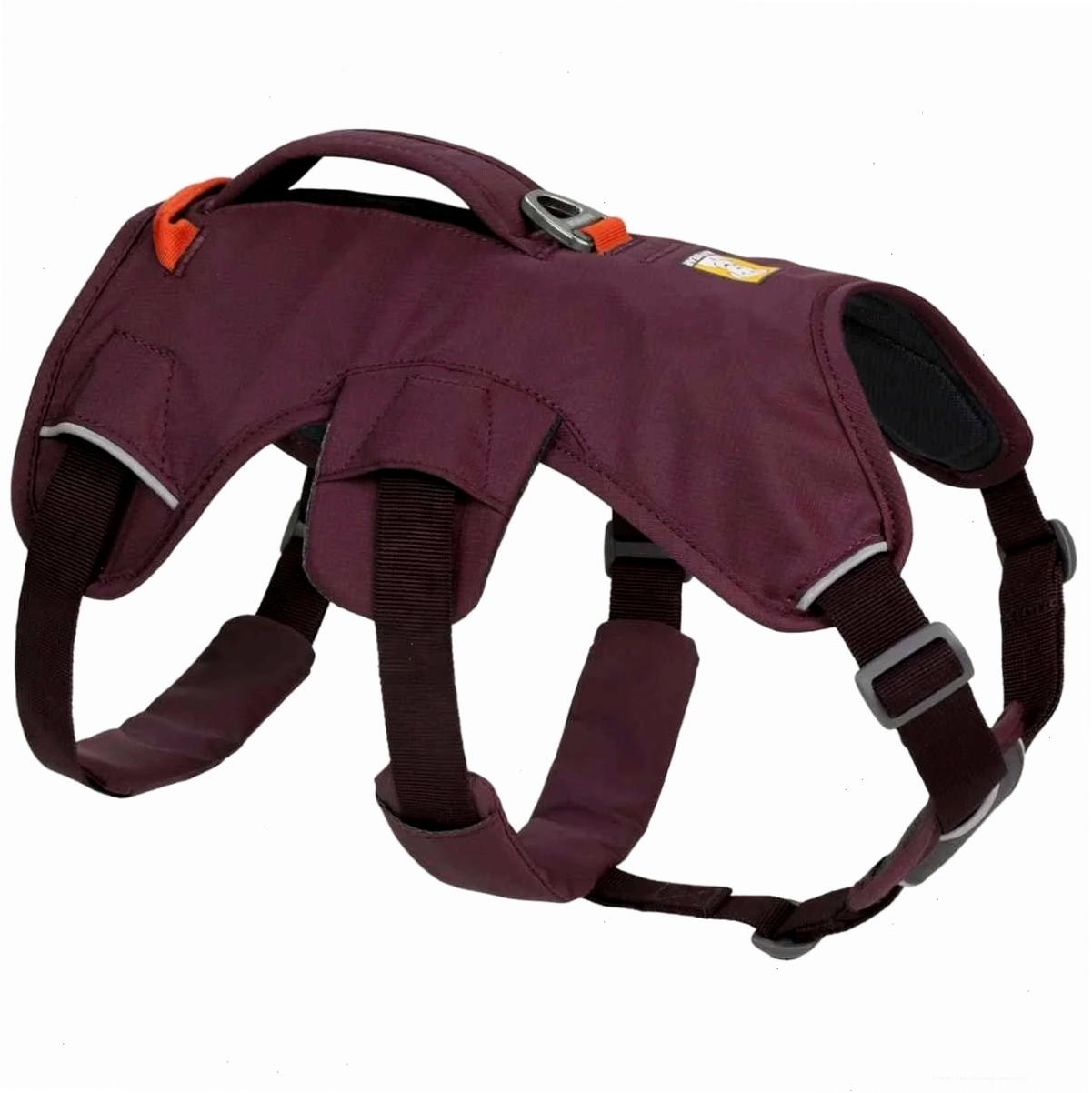
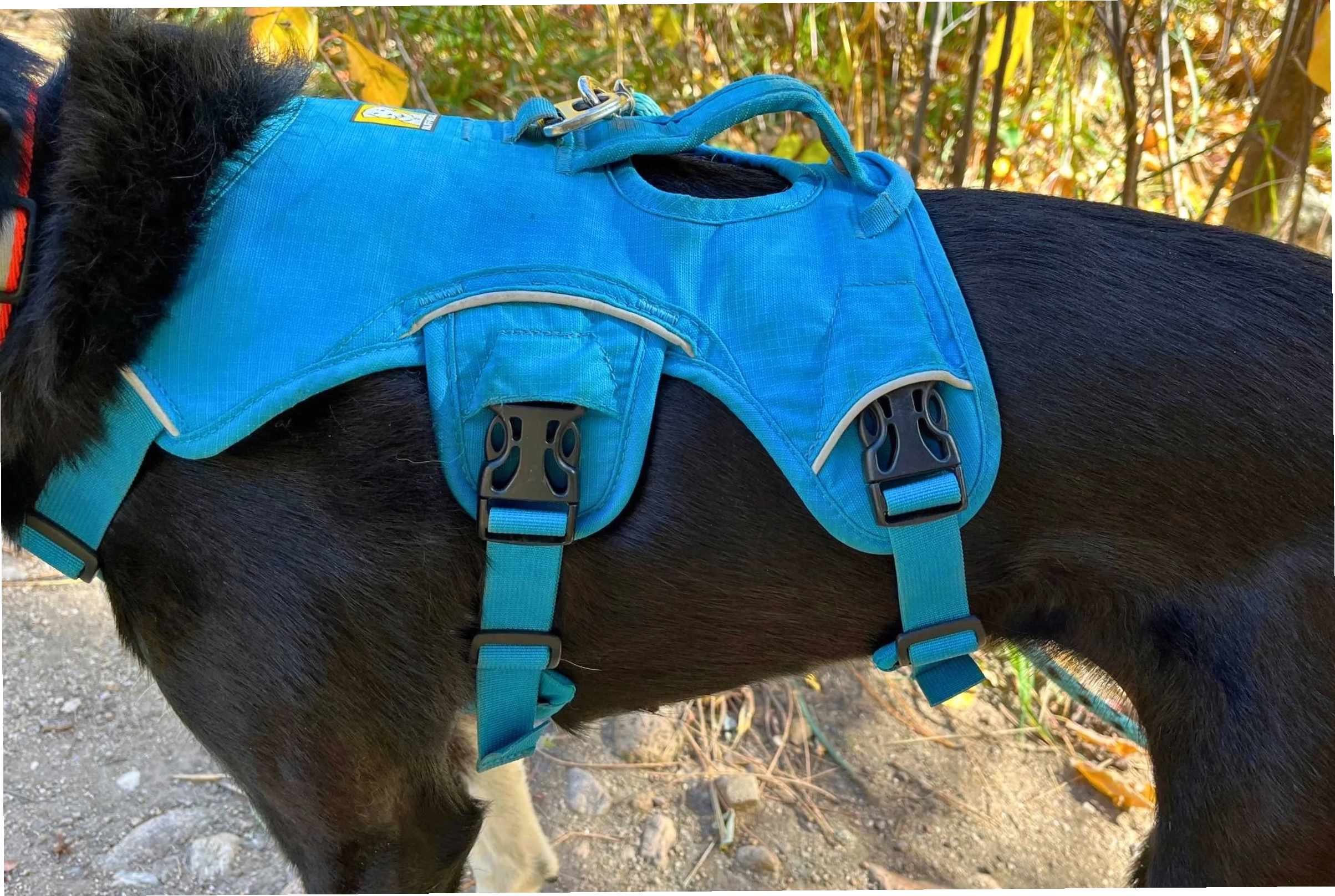
No harness is 100% escape-proof, especially for dogs dubbed Harness Houdinis. If your dog has a history of backing out of their gear, choosing the right dog harness for leash pulling must involve additional safety layers. A high-coverage option like the Ruffwear Web Master features an extra belly strap that sits behind the widest part of the ribcage, making it physically difficult for a dog to slip out.
For ultimate safety, many experts recommend using a safety clip that connects the harness to a martingale collar. Martingale collars tighten slightly when tension is applied, preventing the dog from slipping their head out. This dual-connection system ensures that if the dog managed to wiggle out of one piece of equipment, they are still safely attached to the other. This level of redundancy is essential for reactive dogs in urban environments.
Broader considerations for domestic cats and holistic pet care
While much focus is placed on choosing the right dog harness for leash pulling, we must not overlook the health of other pets in the household. Owners of domestic cats should remain vigilant about feline health and cat care, particularly when pets spend time outdoors. For example, outdoor exposure can lead to cat ear infections or the spread of tick-borne diseases.
It is important to regularly check your pets for ear mites, which are a common nuisance in both dogs and cats. If you notice persistent scratching, you may need to treat cat ear mites with specialized ear mite medication or Tresaderm for cats. Furthermore, as you walk your dog through wooded areas, you must learn about bobcat fever in cats to ensure your feline companions remain safe from environmental threats. Maintaining high standards for both cat health and dog safety creates a secure environment for the entire family.
Final thoughts on selecting the best equipment for your dog
Ultimately, the process of choosing the right dog harness for leash pulling requires a balance between functionality and fit. A harness that fits poorly will not only be ineffective at stopping pulling but may also cause physical discomfort or allow for dangerous escapes. Always measure your dog’s girth and neck circumference accurately before purchasing any dog walking training aids.
Remember that while a front clip dog harness is a powerful tool, it works best when paired with positive reinforcement training. Reward your dog for walking by your side and maintaining a loose leash. With the right gear and a consistent approach, you can transform your walks into the enjoyable bonding experience they were meant to be. Start your journey toward better walks today by investing in a quality harness that respects your dog’s anatomy and your need for control.